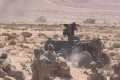
A Cold War-era weapon is re-emerging on the modern battlefield — and it’s raising new questions about artillery warfare in the conflict between Ukraine and Russia.
The M110 self-propelled howitzer, originally developed in the United States, is now being discussed as part of Ukraine’s evolving long-range firepower capabilities. Reports also point to potential transfers involving Greece, highlighting how legacy systems can still play a role in modern, high-intensity warfare.
Rather than relying on a single breakthrough, artillery effectiveness depends on integration — combining range, logistics, targeting, and coordination across units.
In this video, we break down: • What the M110 howitzer is and how it operates • Its technical capabilities and battlefield role • The strategic logic behind deploying legacy artillery systems • How artillery contributes to counter-battery operations and area denial • The broader implications for military strategy and battlefield dynamics
We also explore key concepts such as fire support coordination, logistics disruption, and how layered artillery systems can influence operational outcomes.
👉 Subscribe for clear, fact-based analysis of global conflicts and military technology.
⚠️ Disclaimer
This content is provided for educational and informational purposes only. Analysis is based on publicly available information and may evolve as new details emerge.