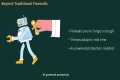
Practical transition of artificial intelligence from theoretical machine learning concepts to essential cybersecurity defenses. By examining core applications like malware detection, network intrusion monitoring, and user behavior analytics, the text illustrates how algorithms such as Random Forests and Deep Neural Networks outperform traditional, signature-based security. The source also traces the evolution of AI from simple rule-based systems to advanced deep learning, while candidly addressing implementation hurdles like the skills gap, data requirements, and the "black box" nature of complex models. Ultimately, the lesson emphasizes a symbiotic relationship between human analysts and AI, preparing students to navigate a future defined by predictive threat hunting and autonomous response systems.